


Creating a Strong Foundation with Montessori Learning

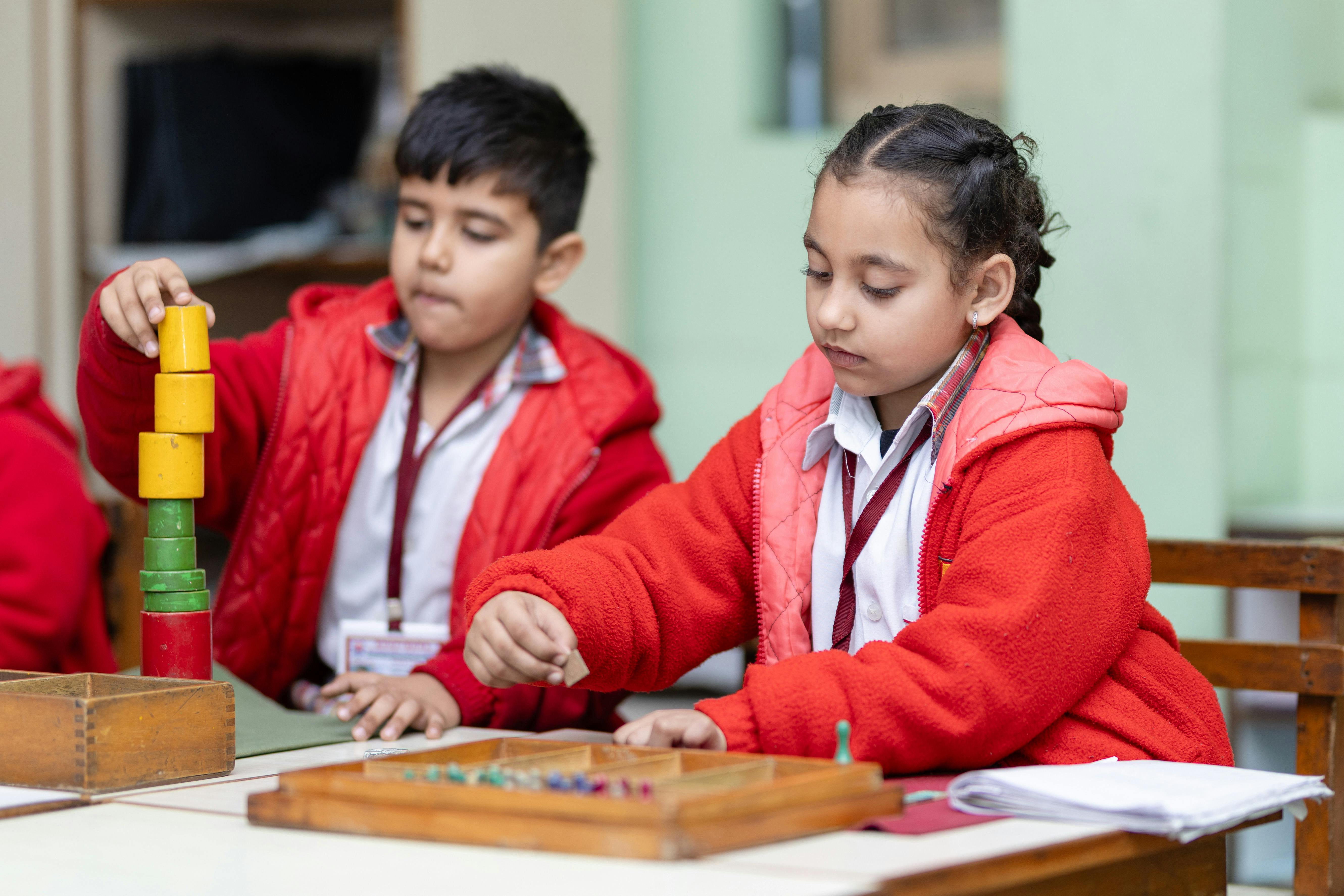
Montessori education is a child-centered educational approach that has been shaping young minds for over a century. This method, developed by Dr. Maria Montessori, emphasizes hands-on learning, collaborative play, and self-directed activity. It’s designed to cultivate a child’s natural desire to learn, enabling them to build a strong foundation for lifelong learning. As more parents and educators recognize the value of this approach, understanding its core principles and benefits becomes essential. For a deeper dive into Montessori education, visit this detailed guide.
The Core Principles of Montessori Learning
Montessori education is built upon several core principles that differentiate it from traditional teaching methods. By focusing on the individual learner, it provides a personalized educational experience aimed at fostering independence and curiosity. The following are some key principles:
- Child-Centered Learning: Unlike conventional classrooms where the teacher leads the instruction, Montessori classrooms encourage children to take the lead in their learning.
- Prepared Environment: Classrooms are meticulously prepared to support independent learning and exploration. Materials are designed to be self-correcting, allowing children to learn from their mistakes.
- Mixed Age Groups: Children of different ages learn together, promoting peer learning, mentorship, and collaboration.
- Focus on Individual Pace: Each child is encouraged to work at their own pace, ensuring they fully grasp concepts before moving on to more complex topics.
For more on how these principles are applied, explore further insights here.
Benefits of Montessori Education
Montessori education offers numerous benefits that contribute to the holistic development of a child. Some of these benefits include:
Development of Independent Learning Skills
Montessori schools encourage self-directed learning, which helps children develop a sense of autonomy and responsibility. By engaging in activities they choose, children learn to manage their time, solve problems, and make decisions independently. This approach nurtures a lifelong love of learning and prepares children for future academic and life challenges. Read more about this topic.
Enhanced Social Skills
The multi-age classroom setting fosters a strong sense of community among students. Younger children learn from older peers, while older children reinforce their knowledge by teaching concepts to their younger classmates. This interaction helps build empathy, cooperation, and conflict resolution skills. Learn more in this detailed guide.
Promotion of Critical Thinking
Montessori education emphasizes critical thinking and problem-solving. Children are encouraged to ask questions, explore various solutions, and reflect on their learning experiences. This approach helps in developing analytical skills, which are crucial for academic success and personal growth. Find additional information here.
Implementing Montessori Principles at Home
Parents interested in incorporating Montessori principles at home can start with simple adjustments to their child’s environment and daily routine. Here are a few tips:
- Create a Prepared Environment: Arrange a learning space with accessible materials that allow children to explore and learn independently.
- Encourage Self-Directed Play: Provide opportunities for children to choose activities and engage in play that fosters creativity and problem-solving.
- Incorporate Practical Life Skills: Involve children in everyday activities such as cooking, cleaning, and gardening to teach responsibility and independence.
For additional resources on implementing these principles at home, explore further insights here.
In summary, Montessori education lays a strong foundation for lifelong learning by fostering independence, critical thinking, and social skills. Whether pursued in a formal educational setting or integrated into the home, the Montessori approach provides children with the tools they need to thrive in an ever-changing world. For a comprehensive understanding of Montessori learning, visit this detailed guide.