


Choosing the Right Patches for Pain Relief: A Professional Guide

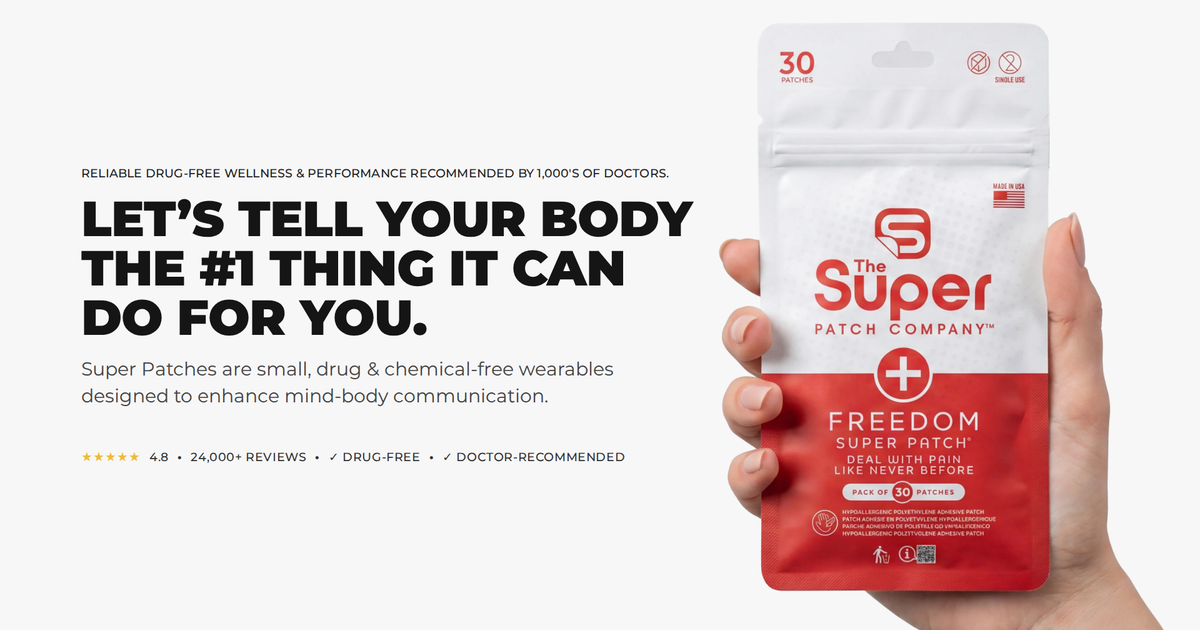
Finding effective relief for acute or chronic discomfort can be a daunting task, especially when the market offers a myriad of topical solutions. Choosing the right patch for pain relief requires an understanding of how the product works, the type of pain being addressed, and the specific ingredients that best match individual needs. This guide breaks down the essential factors to consider, helping professionals and everyday users make informed decisions about which patches will provide the most consistent and safe relief.
Understanding How Pain Relief Patches Work
Topical patches deliver active ingredients directly through the skin, bypassing the digestive system and allowing for sustained, localized treatment. This method offers several advantages:
- Steady release of medication over several hours or days.
- Reduced systemic side effects compared with oral analgesics.
- Convenient, hands-free application that stays in place during daily activities.
When evaluating a pain relief patch, consider the delivery mechanism (e.g., hydrogel, adhesive matrix) and whether it is designed for rapid absorption or a slower, prolonged effect.
Key Criteria for Selecting the Appropriate Patch
1. Type of Pain
Different formulations target specific pain pathways. Match the patch to the condition:
- Muscle soreness: Patches containing menthol or camphor provide a cooling sensation that eases tension.
- Joint inflammation: Anti-inflammatory agents such as diclofenac or natural botanicals like arnica are effective.
- Back discomfort: A back pain patch often combines heat-generating components with analgesic oils for deep-tissue relief.
2. Duration of Wear
Depending on the severity of symptoms, users may need a patch that lasts anywhere from a few hours to several days. Look for clear labeling on:
- 24-hour wear cycles for short-term relief.
- 72-hour or longer wear for chronic conditions.
3. Ingredient Profile
Ingredients fall into three broad categories:
- Pharmacologic agents: NSAIDs, lidocaine, or capsaicin for strong, clinically proven relief.
- Botanical extracts: Turmeric, ginger, and eucalyptus for a natural approach.
- Supportive compounds: Vitamin E, aloe, and hyaluronic acid to soothe skin and promote healing.
For those seeking a non-opioid alternative, a pain patch that blends botanical extracts with mild analgesics can be a balanced choice.
4. Skin Sensitivity and Allergies
Because patches adhere directly to the skin, hypoallergenic adhesives are crucial for users with sensitive skin. Check for certifications such as “dermatologist-tested” or “hypoallergenic” before purchase.
Comparing Popular Patch Categories
The market can be divided into three primary categories, each suited to different therapeutic goals.
Thermal Patches
These patches generate heat or a cooling effect, helping to increase blood flow and reduce muscle stiffness.
- Best for acute strains, sports injuries, and pre-exercise warm-up.
- Typical wear time: 4-8 hours.
Medication-Based Patches
Formulated with FDA-approved analgesics, these patches are often recommended by clinicians for persistent pain.
- Provide consistent drug levels without oral dosing.
- Ideal for arthritis, chronic back pain, and post-surgical recovery.
Herbal & Natural Patches
Utilizing essential oils and plant extracts, these options appeal to users who prefer a holistic approach.
- Gentle on the skin and suitable for daily wear.
- May be combined with other therapies for enhanced effect.
Practical Tips for Effective Use
- Clean the application site: Remove oils, lotions, or hair to ensure optimal adhesion.
- Follow recommended wear time: Exceeding the duration can cause skin irritation.
- Rotate placement areas: Prevents localized skin breakdown, especially with long-term use.
- Store patches properly: Keep them in a cool, dry place to maintain adhesive strength.
When to Seek Professional Advice
While topical patches are safe for most adults, certain conditions warrant medical consultation:
- Persistent pain lasting longer than two weeks.
- Concurrent use of anticoagulants or other systemic pain medications.
- Signs of skin reaction such as redness, itching, or blistering.
Healthcare providers can help determine whether a specific pain relief patch aligns with a patient’s overall treatment plan.
Conclusion
Selecting the right patch for pain relief hinges on a clear understanding of pain type, desired duration, ingredient safety, and personal skin tolerance. By evaluating these factors and referencing reputable sources, users can confidently choose a product that delivers consistent relief while minimizing side effects. Whether the goal is to alleviate a sore back, calm joint inflammation, or support an active lifestyle, the appropriate patches for pain relief are readily available when informed decisions guide the selection process.