


Residential Air Testing for Healthy Homes

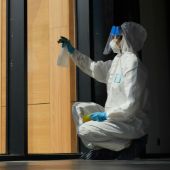
Indoor air quality is a cornerstone of a healthy living environment, yet many homeowners overlook the invisible contaminants that can affect comfort, productivity, and long-term health. From mold spores to volatile organic compounds (VOCs), the air inside a house can become a breeding ground for allergens and pollutants if not regularly assessed. Residential air testing provides a scientific snapshot of what occupants are breathing, enabling targeted remediation before problems escalate. By understanding the specific hazards present, families can make informed decisions that protect vulnerable members such as children, the elderly, and those with respiratory conditions.
Why Residential Air Testing Matters
Accurate measurement of indoor pollutants offers several critical benefits:
- Health protection: Identifies allergens, mold, and chemicals that trigger asthma or other respiratory issues.
- Energy efficiency: Detects ventilation problems that cause unnecessary heating or cooling loads.
- Property value: Demonstrates proactive maintenance, which can be a selling point for prospective buyers.
- Regulatory compliance: Meets local building codes and health guidelines for indoor environments.
For a deeper dive into the health implications of indoor pollutants, Discover expert strategies here.
Key Elements Tested in Residential Air Assessments
1. Mold and Biological Contaminants
Mold spores thrive in damp areas such as basements, bathrooms, and poorly ventilated kitchens. Air testing can pinpoint hidden growth that visual inspections miss.
2. Volatile Organic Compounds (VOCs)
VOCs are emitted from paints, cleaning agents, furnishings, and building materials. Prolonged exposure can cause headaches, dizziness, and more severe health effects.
3. Particulate Matter (PM2.5 & PM10)
Fine particles from outdoor traffic, cooking, or indoor smoking infiltrate living spaces, posing cardiovascular and respiratory risks.
4. Carbon Dioxide (CO???) Levels
Elevated CO??? indicates inadequate ventilation, which can lead to fatigue and reduced cognitive performance.
To explore comprehensive testing methodologies, Explore advanced guides and tips.
Choosing the Right Testing Approach
Effective residential air testing blends strategic sampling with professional analysis. Consider the following factors when selecting a service:
- Sampling duration: Short-term (24-48″?hours) for snapshot data versus long-term (2-4″?weeks) for trend analysis.
- Location selection: Test in high-use rooms (living room, bedroom) and potential problem zones (basement, attic).
- Technology used: Real-time monitors, passive samplers, and laboratory analysis each have distinct advantages.
- Interpretation support: Access to qualified indoor-air specialists who can translate results into actionable steps.
For a tailored approach that aligns with specific home layouts, Learn about our tailored solutions.
Implementing Remediation After Testing
Testing results are only the first step; effective remediation follows a clear plan:
- Source elimination: Fix leaks, replace contaminated insulation, or remove offending materials.
- Ventilation upgrades: Install heat-recovery ventilators (HRVs) or energy-recovery ventilators (ERVs) to ensure fresh air exchange.
- Air purification: Deploy HEPA filters, activated carbon units, or UV-C systems where appropriate.
- Ongoing monitoring: Schedule periodic re-testing to verify that corrective actions remain effective.
Guidance on post-testing actions can be found by Find out more about this approach.
Cost Considerations and Return on Investment
While residential air testing incurs an upfront expense, the long-term savings often outweigh the initial cost. Preventing mold growth avoids costly structural repairs, and improving ventilation reduces energy bills. Moreover, healthier occupants experience fewer sick days, contributing to overall quality of life.
Professional assessments typically include a detailed report, actionable recommendations, and optional follow-up testing. Investing in these services demonstrates a commitment to a safe, comfortable home environment.
Conclusion
Residential air testing is an essential component of responsible homeownership. By systematically identifying pollutants, homeowners can safeguard health, enhance comfort, and protect property value. Integrating regular testing into home maintenance routines ensures that indoor air remains as clean and healthy as the outdoor environment. For those seeking reliable, evidence-based guidance, reputable resources such as Discover expert strategies here. provide the expertise needed to navigate the complexities of indoor-air quality with confidence.