


Making Friends at a Dog Play Group

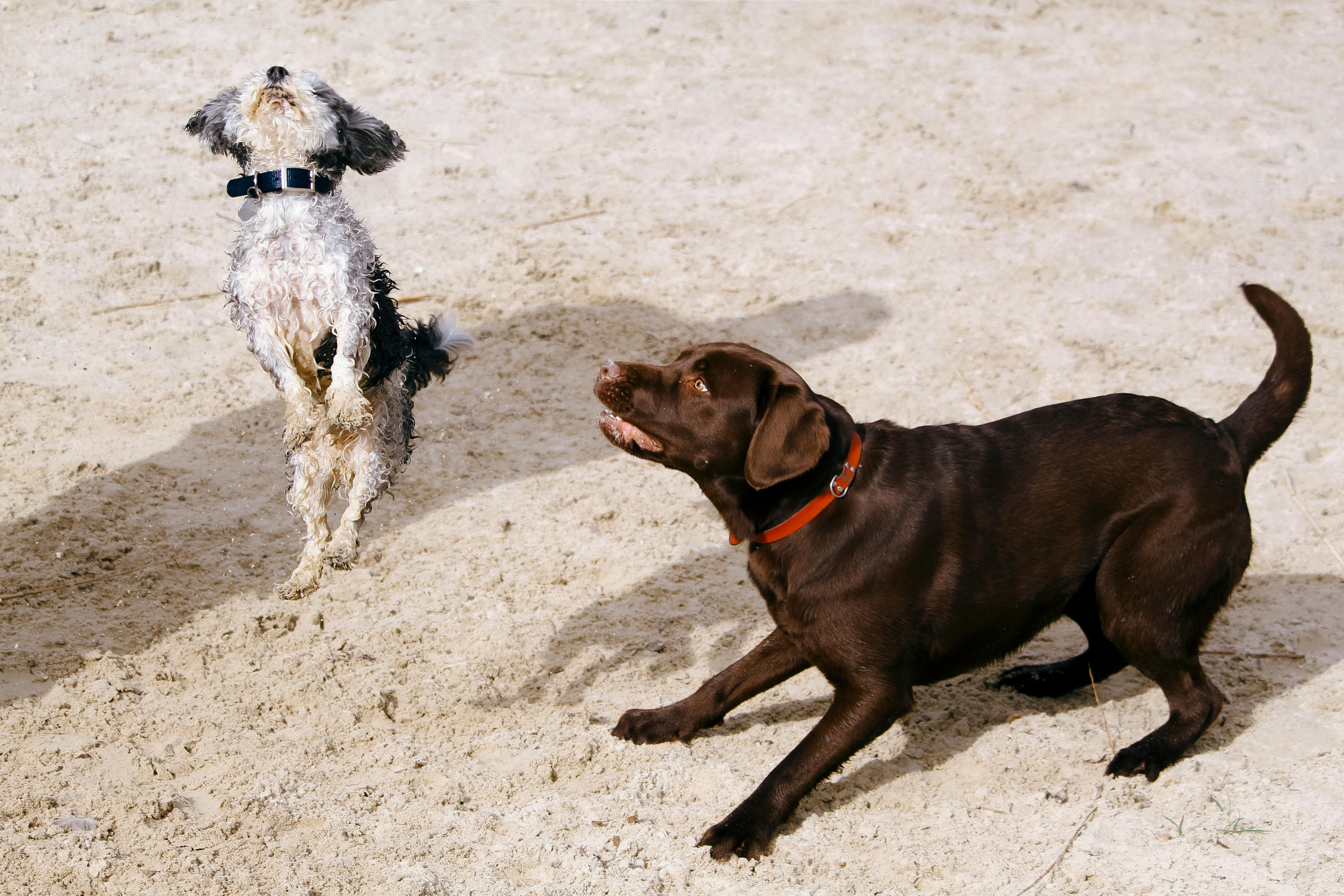
Dog play groups offer a structured environment where both canines and their owners can socialize, learn, and enjoy shared activities. For many pet parents, the idea of introducing a new dog to a group can feel intimidating, yet the benefits, ranging from improved behavior to stronger community ties, are substantial. Understanding how to navigate the social dynamics, prepare your dog, and engage with other participants can transform a simple outing into a rewarding experience for everyone involved.
Preparing Your Dog for the First Visit
Before stepping onto the grass of a play area, a few preparatory steps can set the stage for a positive interaction. These actions help reduce anxiety and ensure that your dog is ready to engage safely.
- Health Check: Verify that vaccinations are up-to-date and that your dog is free of parasites.
- Basic Training: Reinforce recall, “leave it,” and loose-leash walking to maintain control in a busy setting.
- Socialization History: Review past experiences with other dogs; note triggers that may need extra supervision.
- Gear Check: Bring a sturdy leash, water bowl, and a few toys that your dog enjoys.
For a deeper dive into preparation techniques, Read more about this topic.
Understanding Group Dynamics
Dog play groups are not just random gatherings; they follow an unspoken set of rules that help keep the environment safe and enjoyable. Recognizing these dynamics can make the difference between a chaotic session and a harmonious one.
Key Social Signals
- Play Bow: A front-ended bow indicates an invitation to play.
- Tail Position: A relaxed, wagging tail usually signals comfort, while a tucked tail may indicate fear.
- Vocalizations: Light growls can be part of play, but sharp barks often signal distress.
Human Interaction
- Maintain a calm demeanor; dogs often mirror their owner’s emotional state.
- Observe body language from other owners; a friendly wave or smile can signal openness.
- Respect personal space, both canine and human, especially during introductions.
If you’d like additional guidance on reading these cues, Learn more in this detailed guide.
Strategies for Building Friendships
Friendship among dogs is built through consistent, positive interactions. Below are practical strategies to encourage lasting bonds.
- Rotate Play Partners: Allow your dog to interact with several members rather than focusing on a single companion.
- Structured Games: Organize simple games like fetch or tug-of-war that require cooperation.
- Positive Reinforcement: Reward calm and friendly behavior with treats or praise.
- Scheduled Attendance: Regular visits help dogs recognize familiar faces and develop trust.
For a step-by-step plan on nurturing these relationships, Explore further insights here.
Managing Challenges and Conflict
Even in well-run groups, occasional tension can arise. Knowing how to intervene calmly prevents escalation and protects the social fabric of the group.
- Identify Early Signs: Watch for stiff bodies, prolonged staring, or growling that doesn’t subside.
- Separate Temporarily: Gently guide the dogs apart and give them a few minutes to reset.
- Redirect Energy: Use a favorite toy or a short walk to shift focus away from the conflict.
- Consult the Facilitator: If a pattern emerges, discuss it with the group leader for tailored advice.
Further reading on conflict resolution in canine groups can be found by Find additional information here.
Benefits of Regular Participation
Consistent involvement in a dog play group yields measurable advantages for both pets and owners.
- Improved Social Skills: Dogs learn appropriate play etiquette and develop confidence.
- Physical Exercise: Regular runs and games promote cardiovascular health.
- Mental Stimulation: New scents, sounds, and interactions keep dogs mentally sharp.
- Owner Community: Parents exchange tips, share experiences, and often form lasting friendships.
To explore more about the long-term impact of group play, Read more about this topic.
Conclusion
Making friends at a dog play group is a blend of preparation, observation, and consistent positive interaction. By understanding canine body language, following structured social norms, and employing thoughtful strategies, owners can help their pets forge meaningful connections that enhance wellbeing and enrich the community. Regular attendance not only strengthens the bond between dog and owner but also cultivates a supportive network of fellow pet enthusiasts, turning each session into a rewarding social experience for all involved.