


Top 10 Structural Steel Suppliers for Your Building Projects

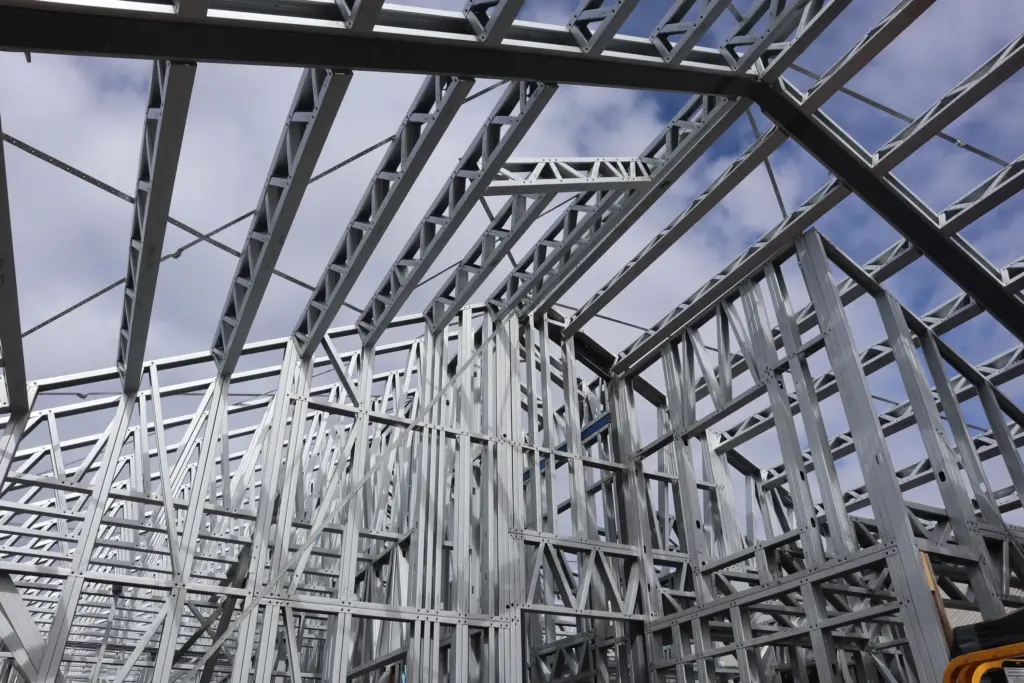
Structural steel plays a crucial role in modern construction projects, providing strength, durability, and flexibility. Whether constructing commercial buildings, bridges, or residential homes, selecting the right structural steel supplier is paramount. With an array of suppliers to choose from, focusing on quality, delivery time, and cost-effectiveness is essential. This article presents the top 10 structural steel suppliers to consider for your building projects, ensuring your ventures are supported by reliable and high-quality materials.
1. Supplier Reputation and Experience
One of the foremost factors to consider when choosing a structural steel supplier is their reputation and experience in the industry. Suppliers with a long-standing history often demonstrate reliability and quality assurance.
- Experience in handling diverse projects.
- Proven track record of meeting project deadlines.
- Established relationships with manufacturers and distributors.
Find additional information here.
2. Quality Assurance
Ensuring that the steel supplied meets industry standards is crucial for the safety and longevity of any construction project. Quality assurance should be a top priority.
- Certification from recognized industry bodies.
- Regular quality checks and audits.
- Compliance with international safety standards.
Explore further insights here.
3. Product Range
A diverse product range allows for greater flexibility and customization in construction projects. Suppliers that offer a wide array of steel types and sizes can cater to various project needs.
- Availability of different grades and sizes of steel.
- Customization options for specific project requirements.
- Availability of complementary construction materials.
Learn more in this detailed guide.
4. Competitive Pricing
While quality should never be compromised, finding a supplier that offers competitive pricing is vital for staying within budget. It’s important to balance cost with quality and service.
- Transparent pricing models with no hidden fees.
- Discounts for bulk purchases.
- Flexible payment terms.
5. Delivery and Logistics
Timely delivery is crucial to maintaining the schedule of any construction project. Evaluate the supplier?s logistics capabilities to ensure they can meet your project timelines.
- Efficient transportation and distribution networks.
- Ability to deliver on tight deadlines.
- Real-time tracking of shipments.
Explore further insights here.
6. Customer Service and Support
Strong customer service and support can greatly enhance the overall experience when working with a supplier. This includes prompt responses to inquiries and assistance with technical questions.
- Dedicated account managers.
- Technical support and consultation services.
- After-sales support and maintenance advice.
Find additional information here.
7. Sustainability Practices
With increasing emphasis on sustainability, choosing a supplier that incorporates eco-friendly practices can benefit both the environment and the project’s reputation.
- Use of recycled materials in production.
- Energy-efficient manufacturing processes.
- Commitment to reducing carbon emissions.
Learn more in this detailed guide.
8. Technological Integration
Suppliers that leverage technology for better service delivery can provide added value. This includes using software for order tracking and project management.
- Online ordering systems with real-time updates.
- Integration with construction management software.
- Virtual consultations and design support.
9. Innovation and Adaptability
The ability to adapt to new construction trends and technologies is crucial for a supplier. Innovative suppliers can provide cutting-edge solutions for complex construction challenges.
- Research and development initiatives.
- Introduction of new products and technologies.
- Adaptability to market changes and demands.
Explore further insights here.
10. Partnership Opportunities
Forming a strategic partnership with a supplier can lead to mutual benefits, including exclusive deals and long-term collaboration.
- Opportunities for joint ventures and collaborations.
- Priority access to new products and innovations.
- Shared goals for growth and success in the industry.
Find additional information here.
By considering these factors, project managers and construction firms can select the best structural steel suppliers for their needs, ensuring high-quality and efficient project execution.