


Urban Tree Preservation: Tree Safety Evaluations

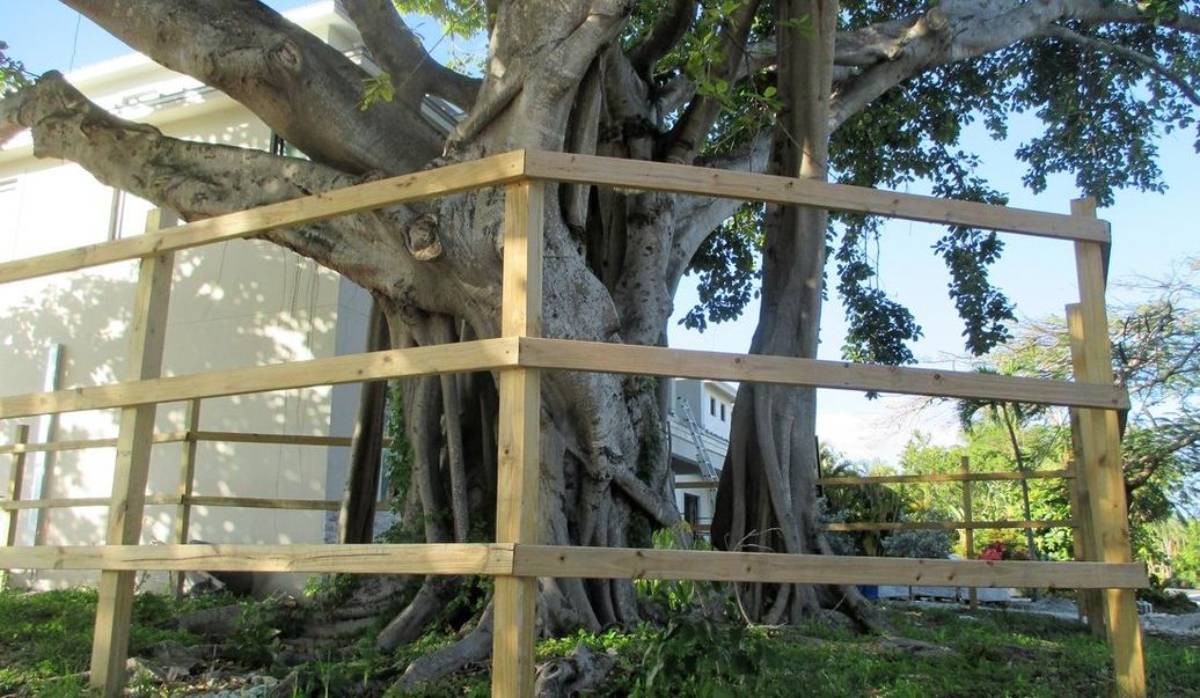
Urban environments present a unique challenge for tree preservation. As cities expand, the importance of maintaining safe and healthy trees becomes paramount. Trees offer numerous benefits including air purification, shade, and aesthetic beauty. However, ensuring their safety and health requires regular evaluations. Tree safety evaluations are critical for identifying potential hazards and preserving the urban canopy. This article delves into the essentials of tree safety evaluations, offering insights into the strategies and methods employed to ensure trees remain an asset, rather than a liability, to urban landscapes.
Understanding Tree Safety Evaluations
Tree safety evaluations are systematic inspections conducted to assess the health and structural integrity of trees. These evaluations play a crucial role in urban tree preservation by identifying risks and proposing necessary interventions to mitigate potential hazards.
Key Components of Tree Evaluations
- Visual Inspection: The first step involves a thorough visual examination, observing signs of decay, pests, or structural weakness.
- Advanced Diagnostic Tools: Tools such as resistographs or sonic tomographs may be employed to detect internal decay or structural defects not visible to the naked eye.
- Risk Assessment: Evaluating the potential risk a tree poses to its surroundings, considering factors like location, size, and condition.
- Management Recommendations: Based on the assessment, recommendations may include pruning, cabling, or, in extreme cases, removal.
Factors Influencing Tree Safety
Several factors influence the safety and health of urban trees. Understanding these factors is essential for effective tree management.
Find out more about this approach to tree safety evaluations.
Environmental Factors
- Soil Quality: Poor soil conditions can lead to weak root systems and unstable trees.
- Weather Conditions: Extreme weather events such as storms or droughts can damage trees and increase the risk of failure.
- Urban Stressors: Pollution, construction, and limited space can adversely affect tree health.
Biological Factors
- Pests and Diseases: Infestations or infections can compromise a tree’s structural integrity.
- Age and Species: Older trees or certain species may have higher susceptibility to damage.
Benefits of Regular Tree Evaluations
Regular tree evaluations offer numerous benefits, ensuring the longevity and safety of the urban canopy.
Discover expert strategies here to maintain tree health and safety.
- Enhanced Safety: Identifying potential hazards before they cause damage helps protect people and property.
- Improved Tree Health: Early detection of issues allows for prompt intervention, promoting healthier trees.
- Cost Savings: Proactive management can prevent expensive emergency removals or damage repairs.
Implementing Effective Tree Management Practices
Implementing effective tree management practices requires a combination of professional expertise and advanced techniques.
Learn about our tailored solutions for comprehensive tree care.
Collaboration with Experts
Engaging with arborists and tree care professionals ensures accurate evaluations and appropriate interventions.
Explore advanced guides and tips for collaborating with tree care experts.
Community Involvement
Encouraging community involvement in tree care initiatives fosters a shared responsibility for urban tree preservation. Educational programs and volunteer opportunities can enhance community awareness and engagement.
Tree safety evaluations are a critical component of urban tree preservation. By understanding the factors influencing tree health, implementing regular evaluations, and engaging with professional expertise, urban environments can continue to enjoy the myriad benefits that trees provide. For more information on tree safety evaluations and management strategies, visit Alvey Tree.