


Transform Projects with High-Quality Urethane Formliners

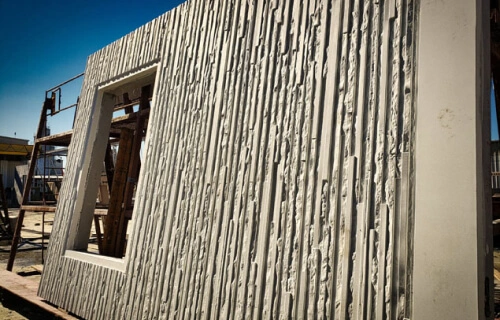
Design and construction professionals are continually seeking innovative solutions to transform their projects, enhancing both functionality and aesthetic appeal. Among the various materials available, urethane formliners have emerged as a versatile and high-quality option for achieving intricate architectural designs. These formliners are revolutionizing the way concrete surfaces are sculpted, providing endless possibilities for creative expression while maintaining structural integrity.
The Advantages of Urethane Formliners
Urethane formliners are a preferred choice for many architects and builders due to several distinct advantages:
- Durability: Urethane is known for its resilience. It withstands the harsh conditions of construction sites, ensuring that the formliners remain intact for multiple uses.
- Flexibility: The material’s flexibility allows for creating a wide range of textures and patterns, from simple geometric shapes to complex, custom designs.
- Precision: High-quality urethane formliners enable the creation of precise details, enhancing the aesthetic appeal of the finished surface.
- Cost-Effectiveness: Despite their initial cost, their durability and reusability make urethane formliners a cost-effective choice over time.
Applications in Modern Architecture
Urethane formliners are utilized in various architectural applications, providing both functional and decorative benefits. Their ability to mimic natural materials such as stone, wood, and brick makes them ideal for projects where visual appeal is paramount. Some common applications include:
Urban Infrastructure
In urban settings, urethane formliners are employed to enhance the visual appeal of concrete structures such as bridges, tunnels, and retaining walls. Their ability to replicate natural textures allows these structures to blend seamlessly into their surroundings, contributing to the city’s aesthetic without compromising on durability. To explore how these formliners are transforming urban landscapes, visit urethane formliners.
Commercial and Residential Buildings
For commercial buildings, urethane formliners offer a way to create unique facades that stand out. In residential settings, they provide an opportunity to incorporate architectural details that add character and charm to homes. From accent walls to entire exteriors, formliners make it possible to achieve high-end designs with a natural look.
Public Spaces and Art Installations
Public art installations and community spaces benefit greatly from the use of urethane formliners. Artists and designers can leverage these formliners to bring their visions to life, creating engaging and interactive environments. The versatility of urethane allows for the incorporation of intricate details, enhancing the overall impact of public art projects.
Environmental Considerations
In today’s environmentally conscious world, sustainability is a key concern in construction. Urethane formliners contribute positively to sustainable building practices. They reduce the need for additional finishing materials, as the detailed textures and patterns they create eliminate the necessity for further embellishments. Additionally, their reusability minimizes waste, aligning with eco-friendly building objectives.
Conclusion
The use of high-quality urethane formliners in architectural and construction projects is transforming the industry. By offering durability, flexibility, and precision, they enable the creation of stunning concrete surfaces that would be difficult or impossible to achieve with other materials. Whether enhancing urban infrastructure, beautifying commercial and residential buildings, or adding depth to public spaces, urethane formliners provide a powerful tool for architects and builders seeking to push the boundaries of design. As the demand for aesthetically pleasing and sustainable construction solutions continues to grow, urethane formliners stand at the forefront of innovation, shaping the future of architectural design.