


Top Solutions for Leaky Basement Walls You Need to Know

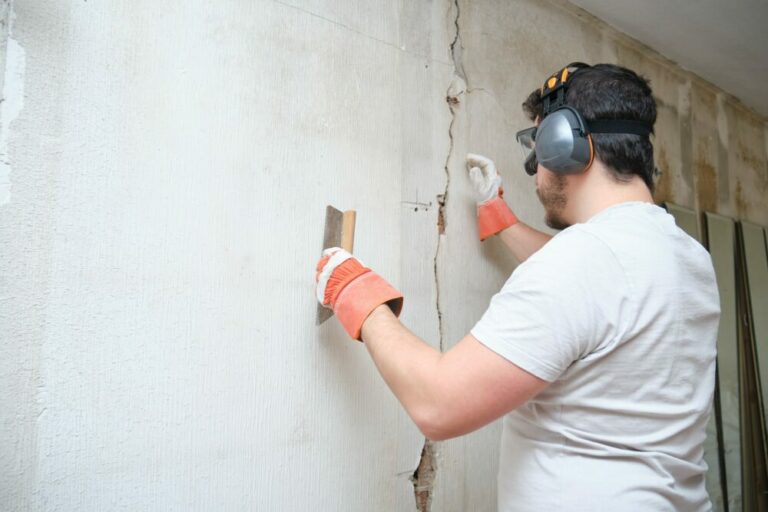
Basement walls are crucial components of any building’s foundation, providing structural support and protection against external elements. However, over time, they can develop leaks due to various factors, such as poor construction, soil movement, or water pressure. Addressing these issues promptly is essential to maintaining a dry and secure basement environment. This article explores the top solutions for leaky basement walls, offering insights into effective techniques and strategies that can prevent and mitigate moisture intrusion.
Identifying the Source of Leaks
Before implementing any solution, it is imperative to identify the source of the basement wall leaks. This initial step involves a thorough inspection to determine the cause of water intrusion. Common sources include:
- Cracks in the walls or foundation
- Improper drainage or grading
- Defective gutters or downspouts
- High water tables or hydrostatic pressure
Once the source is identified, appropriate measures can be taken to address the specific issue. Discover expert strategies here to effectively diagnose and resolve the underlying causes of basement leaks.
Effective Waterproofing Solutions
Exterior Waterproofing
Exterior waterproofing is a proactive approach that prevents water from entering the basement in the first place. It involves:
- Excavating around the foundation to apply waterproof membranes
- Installing exterior drainage systems, such as French drains
- Sealing cracks and joints with high-quality sealants
This method is highly effective for new construction or during major renovations. Learn about our tailored solutions that ensure long-term protection against moisture intrusion.
Interior Waterproofing
For existing structures, interior waterproofing can be a cost-effective alternative. This technique includes:
- Applying waterproof coatings or sealants on the inside walls
- Installing interior drainage systems to capture and redirect water
- Utilizing sump pumps to remove accumulated water
Interior solutions are more affordable but may not address the root cause of water infiltration. Still, they offer a viable option for minimizing damage and maintaining a dry basement. Explore advanced guides and tips to optimize the efficiency of interior waterproofing systems.
Innovative Repair Techniques
Crack Injection
Crack injection is a specialized technique used to repair small to medium-sized cracks in basement walls. It involves injecting a polymer or epoxy material into the cracks to seal them from the inside. This method is particularly effective for:
- Non-structural cracks
- Preventing water seepage
- Fortifying the existing structure
The process is minimally invasive and can be completed swiftly by professionals. Find out more about this approach and how it can enhance the durability of basement walls.
Preventive Maintenance Tips
In addition to implementing these solutions, regular maintenance is key to preventing future leaks. Consider the following preventive measures:
- Ensuring proper grading and drainage around the foundation
- Regularly cleaning and maintaining gutters and downspouts
- Inspecting the basement walls for early signs of leaks or cracks
- Conducting routine waterproofing inspections and touch-ups
By integrating these practices into regular home maintenance routines, homeowners can significantly reduce the risk of basement water intrusion. For more comprehensive guidance, explore advanced guides and tips to safeguard against potential basement leaks.