


The Ultimate Guide to Making Homemade Goat Milk Soap

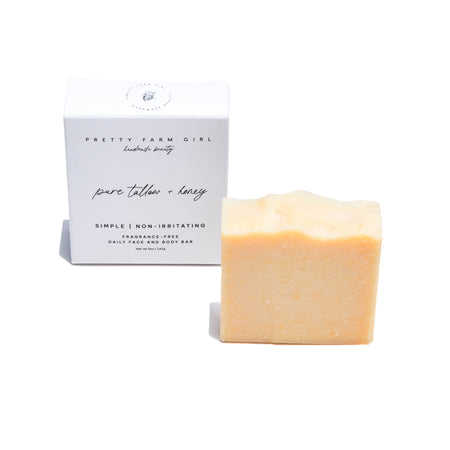
Crafting homemade goat milk soap is a rewarding endeavor that combines creativity with the benefits of natural ingredients. Goat milk is renowned for its moisturizing properties and gentle cleansing action, making it an ideal choice for those with sensitive skin. This guide will walk you through the essentials of creating your own bars at home, ensuring you have all the knowledge needed to produce high-quality soap that rivals the best goat milk soap available on the market.
Benefits of Goat Milk Soap
Goat milk soap is celebrated for a host of skin-loving benefits. Here are some key advantages:
- Rich in vitamins and minerals, including vitamin A, which helps repair damaged skin tissue.
- Contains lactic acid, known for its gentle exfoliating properties that promote a youthful complexion.
- Effective for moisturizing and nourishing the skin due to its natural cream content.
- Supports the skin’s natural pH balance, reducing irritation and dryness.
Ingredients Needed for Homemade Goat Milk Soap
To create goat milk soap, gather the following ingredients:
- Fresh goat milk or powdered goat milk reconstituted with water
- Oils and fats such as coconut oil, olive oil, and tallow soap or beef tallow soap
- Sodium hydroxide (lye), which is essential for saponification
- Essential oils for fragrance (optional)
- Natural colorants like clays or botanicals (optional)
Step-by-Step Process
Preparing the Milk
Begin by freezing the goat milk in ice cube trays. This step is crucial as it prevents the milk from scorching during the lye addition. Once frozen, place the milk cubes in a mixing container.
Mixing Lye with Milk
Carefully add lye to the frozen milk cubes, stirring slowly. This process will generate heat, melting the milk cubes. Always add lye to the milk, not the other way around, to ensure safety.
Combining Oils and Fats
Melt the chosen oils and fats in a separate container. Common choices include coconut oil, olive oil, and beef tallow. Once melted, allow the mixture to cool to 90-100?F.
Blending Ingredients
Combine the cooled lye-milk mixture with the melted oils. Use a stick blender to reach trace, which is the point where the mixture thickens and holds a trail on its surface.
Adding Fragrances and Colorants
At trace, incorporate any desired essential oils or colorants. This is the stage to personalize the soap with unique scents and hues.
Pouring and Curing
Pour the traced soap into molds and allow it to set for 24-48 hours. Once hardened, remove the soap from the molds and let it cure for 4-6 weeks. Curing is essential for allowing the soap to harden and develop its full potential.
Conclusion
Creating homemade goat milk soap is a fulfilling project that results in luxurious, skin-friendly products. By following these steps, you can craft a goat milk soap bar that nourishes and pampers the skin. Whether for personal use or as thoughtful gifts, these soaps embody the essence of natural beauty and care.