


Stay on Track: Choosing the Best Bike Computer

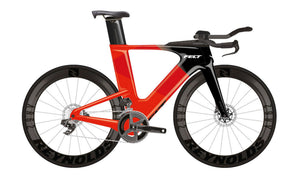
For cycling enthusiasts and professionals alike, a bike computer can be an invaluable tool that enhances the cycling experience. By providing real-time data and feedback, these devices help users monitor performance and make informed decisions. However, choosing the right bike computer can be overwhelming given the variety of options available. This article provides insights into selecting the best bike computer to suit individual needs, ensuring that cyclists stay on track and maximize their performance.
Understanding the Basics
A bike computer is a compact electronic device attached to the bicycle that records and displays various metrics. The basic functionalities include:
- Speed Tracking: Displays current, average, and maximum speed.
- Distance Measurement: Tracks total distance traveled.
- Time Tracking: Monitors ride time and overall duration.
For more comprehensive insights, explore advanced guides and tips on using bike computers effectively by visiting this guide.
Advanced Features to Consider
As technology evolves, many bike computers now offer advanced features that cater to cycling enthusiasts seeking more detailed analytics:
GPS Navigation
Provides real-time navigation and route tracking. Ideal for long-distance cyclists and those exploring new trails. Learn about our tailored solutions for GPS-enabled devices here.
Heart Rate Monitoring
Monitors heart rate in conjunction with compatible devices, allowing cyclists to maintain optimal performance levels. Discover expert strategies for integrating heart rate data into your training regime at this link.
Wireless Connectivity
Syncs with smartphones and fitness apps for seamless data transfer and analysis. This feature is perfect for tech-savvy cyclists looking to keep their training data centralized.
Factors to Consider When Choosing a Bike Computer
Selecting the right bike computer involves evaluating several factors based on personal preferences and cycling goals:
- Budget: Determine how much you are willing to invest based on the features you require.
- User-Friendliness: Opt for a device with an intuitive interface and easy-to-read display.
- Battery Life: Consider devices with long-lasting batteries, especially for extended rides.
- Durability: Ensure the bike computer is weather-resistant and robust enough for all terrains.
For guidance on aligning features with specific needs, find out more about this approach.
Conclusion
A bike computer can significantly enhance the cycling experience by providing essential data and insights that help optimize performance. Whether you’re a casual cyclist or a competitive athlete, selecting a device that aligns with your needs is crucial. By understanding the features and considerations outlined in this article, cyclists can make informed decisions and invest in a bike computer that will keep them on track. Explore advanced guides and tips to ensure you choose the best option for your cycling endeavors.