


Mobile Billboard Advertising for Maximum Reach

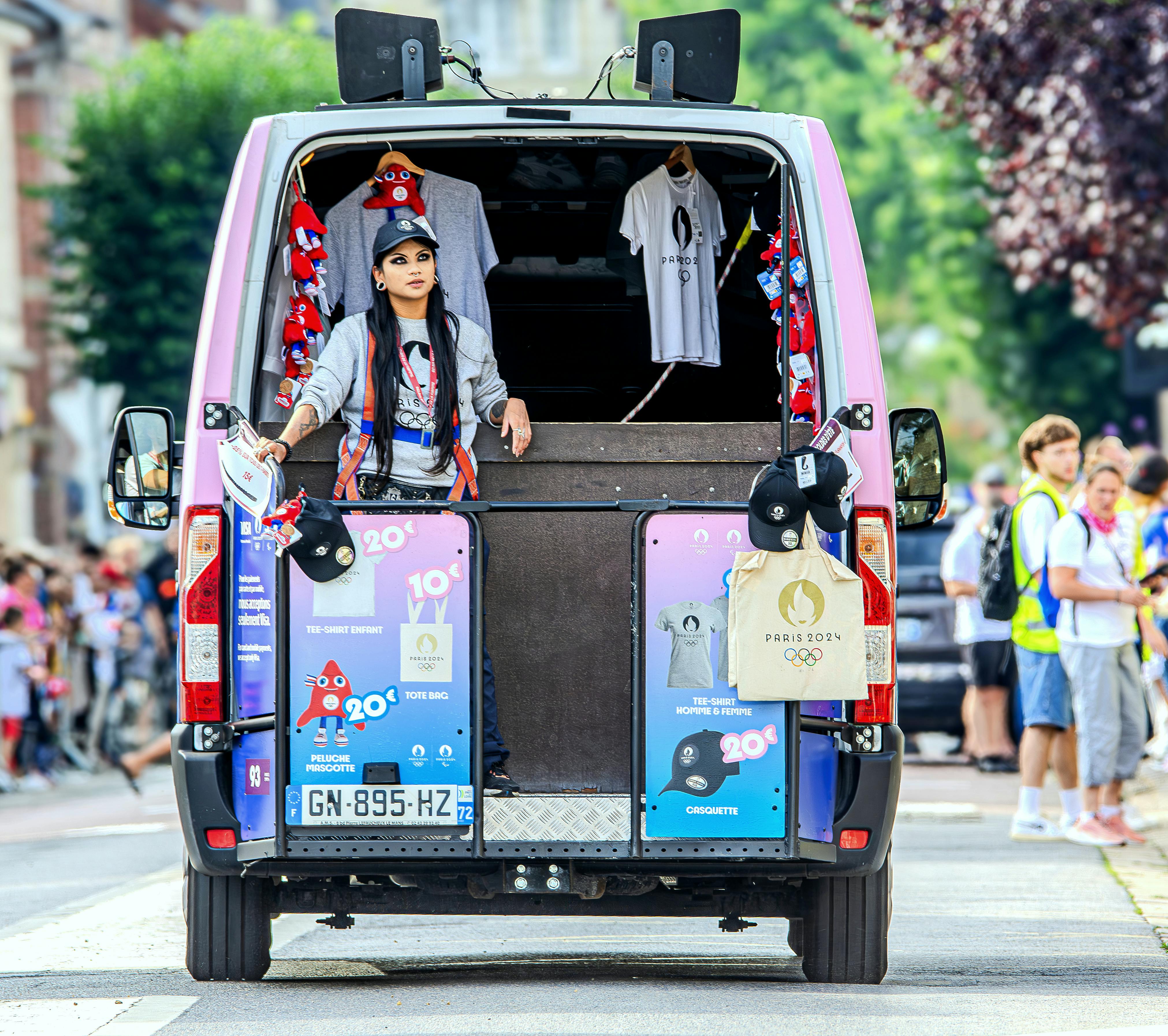
In today’s fast-paced world, businesses are constantly seeking innovative advertising strategies to capture consumer attention. Among these, mobile billboard advertising has emerged as a powerful tool for brands aiming to maximize their reach. By transforming vehicles into moving billboards, companies can effectively target a wider audience, ensuring that their messages are seen by potential customers across various locations. This dynamic form of advertising not only enhances brand visibility but also offers flexibility and cost-effectiveness that traditional static billboards cannot match.
Understanding Mobile Billboard Advertising
Mobile billboard advertising involves affixing large, eye-catching advertisements onto the sides of trucks or other vehicles. These vehicles travel along predetermined routes or are strategically parked in high-traffic areas to engage a diverse audience. This form of advertising is particularly effective in urban settings where pedestrian and vehicular traffic is dense.
Key Advantages
- High Visibility: Mobile billboards are hard to miss, especially in busy city environments. Their movement draws attention and makes the advertising message more memorable.
- Targeted Reach: Campaigns can be tailored to specific demographics by selecting routes that pass through areas frequented by target audiences.
- Cost-Effective: Compared to traditional billboards, mobile advertising offers more impressions per dollar, making it a budget-friendly option for many businesses.
- Flexibility: Routes can be adjusted based on campaign needs, allowing advertisers to respond to real-time events or seasonal trends.
Strategies for Effective Mobile Billboard Campaigns
To maximize the impact of mobile billboard advertising, it is crucial to employ smart strategies that align with marketing goals. Consider these expert insights:
Design and Messaging
- Utilize bold, vibrant colors and simple, clear messaging to ensure readability from a distance.
- Incorporate a call to action (CTA) that prompts viewers to engage with the brand, such as visiting a website or social media page.
- Ensure the design aligns with the brand”?s overall aesthetic for consistency across all marketing channels.
Route Planning
- Analyze traffic patterns and select routes that maximize exposure during peak hours.
- Consider event-based routes where large crowds are expected, such as sports events or festivals.
- Use GPS technology to track and optimize route effectiveness in real-time.
For those seeking to implement these strategies effectively, discover expert strategies here.
Measuring Campaign Success
Assessing the effectiveness of a mobile billboard campaign is essential for understanding its impact and refining future efforts. Here are some key metrics to consider:
- Impressions: Estimate the number of people who have seen the advertisement, using traffic data and route analysis.
- Engagement Rates: Monitor increases in website traffic, social media engagement, or direct inquiries that coincide with the campaign period.
- Conversion Rates: Track the number of leads or sales generated as a direct result of the campaign.
Utilizing these metrics can help businesses learn about our tailored solutions and refine their advertising strategies for better results.
Conclusion
Mobile billboard advertising presents a unique opportunity for businesses to stand out in a crowded advertising landscape. By leveraging the movement and visibility of mobile billboards, brands can reach a broader audience and achieve significant impact. For businesses looking to explore this innovative approach, it is vital to find out more about this approach and how it can be customized to fit specific marketing objectives. As the advertising landscape evolves, embracing mobile billboards may just be the key to unlocking new levels of consumer engagement and brand awareness.