


Smart Home Solutions for Advanced Security

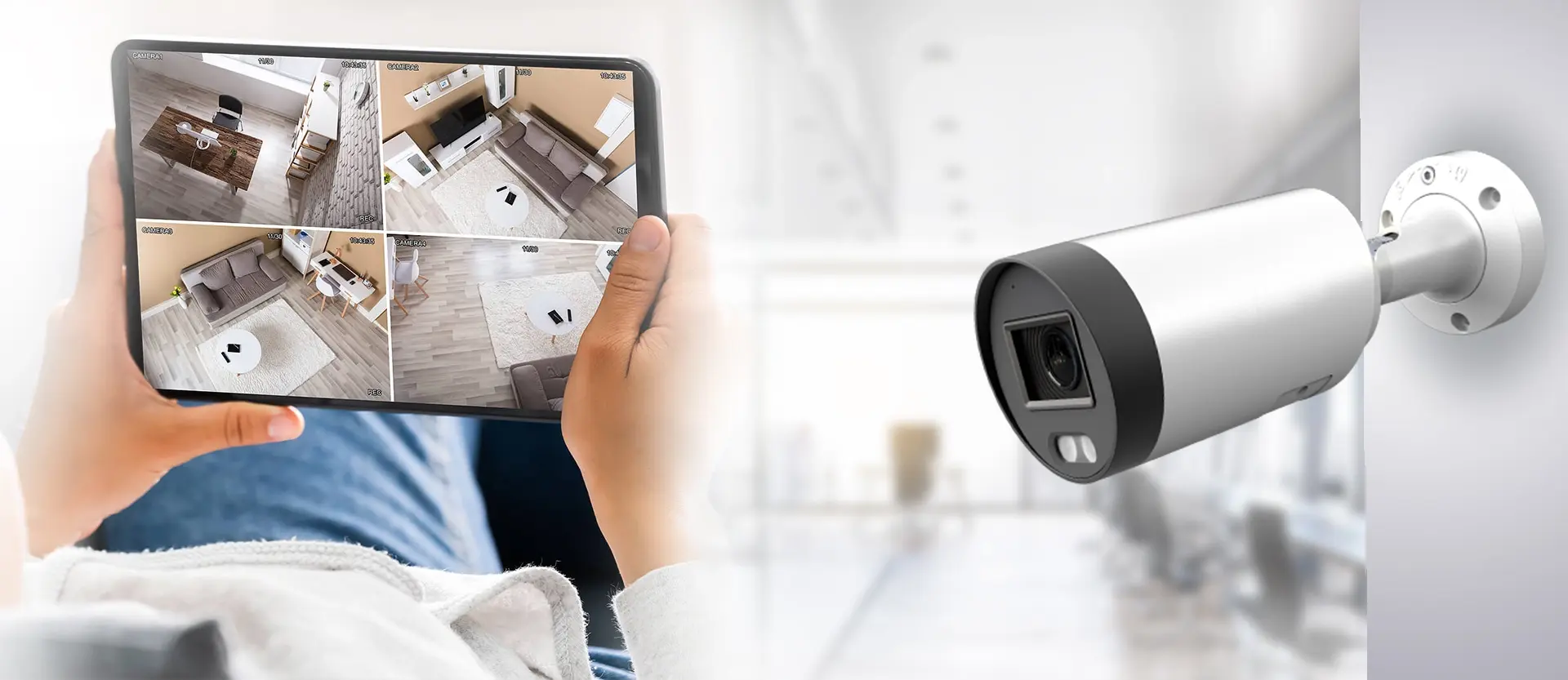
In an age where technology permeates every aspect of our daily lives, the concept of a smart home is becoming increasingly popular. A smart home is not just about convenience and energy efficiency; it also plays a crucial role in enhancing security. With the integration of advanced security solutions, smart homes are better equipped to protect residents from potential threats. This article explores various smart home solutions that offer advanced security features, providing peace of mind and safety to homeowners.
Understanding Smart Home Security Solutions
Smart home security solutions encompass a range of technologies designed to secure a home through automation and remote monitoring. These solutions are typically connected to a central system, allowing homeowners to control and monitor their security devices from anywhere. Key components of smart home security systems include:
- Smart Surveillance Cameras: These cameras offer high-definition video capture, night vision, and motion detection capabilities, enabling real-time monitoring of the home environment.
- Smart Locks: Allow homeowners to lock and unlock doors remotely, track entry and exit logs, and grant access to trusted individuals without physical keys.
- Motion Sensors: Detect unusual movements and send alerts to homeowners, ensuring prompt response to potential intrusions.
- Alarm Systems: Smart alarms can be integrated with other devices to trigger alerts and notifications in case of unauthorized access.
Benefits of Smart Home Security Systems
Implementing smart security solutions offers numerous advantages that go beyond traditional security systems. Some of these benefits include:
Enhanced Monitoring and Control
Smart home security systems allow for continuous monitoring through mobile apps and web interfaces. This means homeowners can keep an eye on their property from anywhere in the world. Read more about this topic and discover how remote access technology enhances security.
Customization and Automation
These systems can be customized to fit individual needs and preferences. Homeowners can automate various security functions, such as setting specific times for cameras to activate or for lights to turn on and off, simulating occupancy.
Integration with Other Smart Devices
Smart security solutions can be integrated with other smart home devices, such as thermostats and lighting systems, to create a comprehensive and cohesive home automation network. Explore further insights here on how integration improves security efficiency.
Real-Time Alerts and Notifications
Receive instant alerts and notifications on your smartphone when the system detects any suspicious activity, enabling quick action to prevent potential threats.
Implementing Smart Home Security
For those considering the implementation of smart home security solutions, it is essential to understand the steps involved and the considerations required:
- Assessment of Needs: Identify the specific security needs of your home, taking into account factors such as location, size, and potential risk areas.
- Selection of Compatible Devices: Choose devices that are compatible with your existing smart home infrastructure. Learn more in this detailed guide about selecting the right devices.
- Professional Installation: While some devices can be installed by homeowners, professional installation ensures optimal operation and integration of all components.
- Regular Maintenance and Updates: Regularly update software and firmware to protect against vulnerabilities and ensure the system is functioning correctly.
Challenges and Considerations
While smart home security offers numerous benefits, there are also challenges and considerations to keep in mind:
- Privacy Concerns: The increased use of cameras and sensors raises concerns about data privacy and the potential for unauthorized access.
- Technical Issues: As with any technology, smart security devices can experience technical glitches that may affect their performance.
- Cost: The initial investment in smart security devices and systems can be high, although many homeowners find the benefits outweigh the costs.
- Connectivity Dependence: Smart security systems rely on internet connectivity, which can be a limitation in areas with unstable connections.
By understanding these challenges and addressing them proactively, homeowners can maximize the benefits of smart home security systems. Find additional information here on how to effectively address these challenges and optimize your smart home security.
In conclusion, smart home solutions offer a modern, efficient way to enhance home security. By leveraging advanced technology, homeowners can ensure a safer living environment while enjoying the convenience and control that smart devices provide. As technology continues to evolve, the capabilities and effectiveness of smart home security solutions are expected to advance, offering even greater protection in the future.