


Backyard Horses: Understanding Equine Behavior and Training

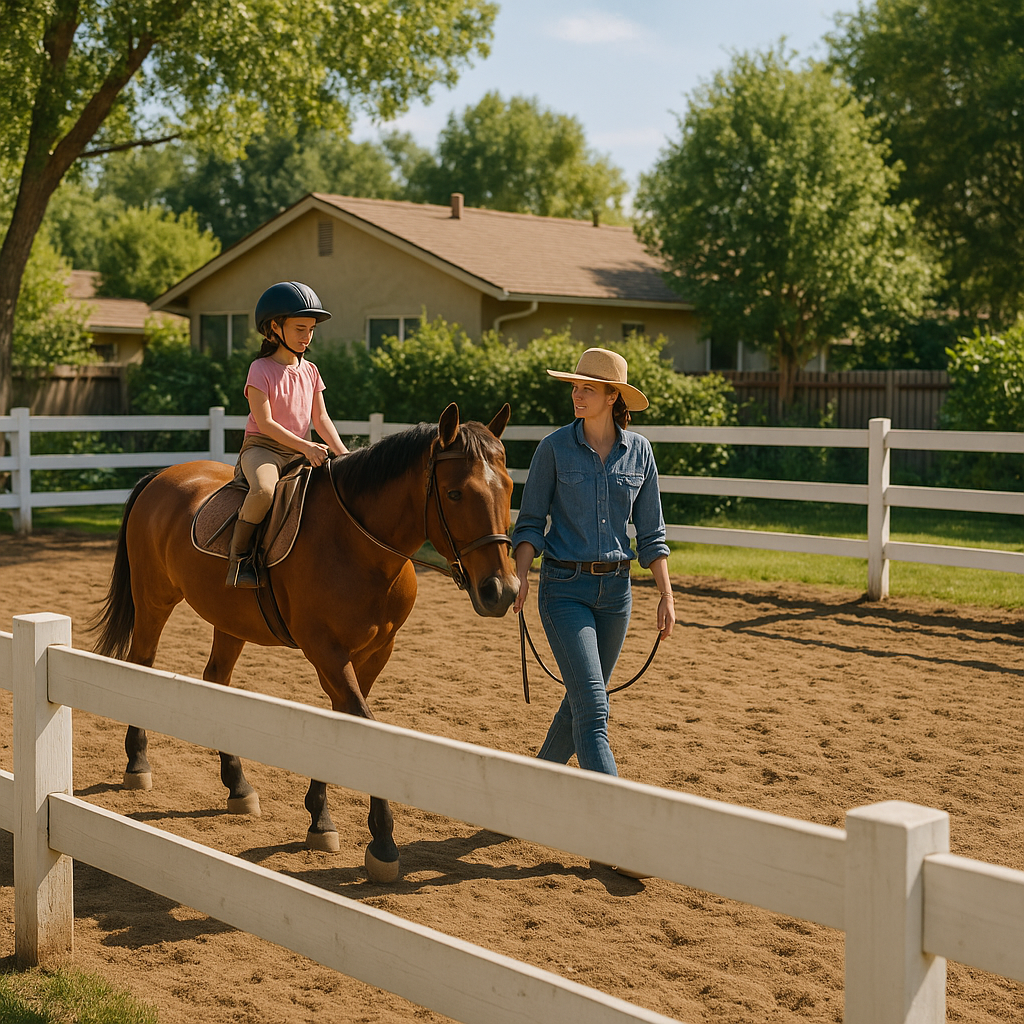
Understanding the behavior of backyard horses is a vital aspect of equine management. Horses, being prey animals, have distinct behavioral patterns that can be observed in their natural environment. Effective training and management of these majestic creatures begin with a deep comprehension of their instincts and responses. By aligning training techniques with their natural behavior, horse enthusiasts can foster a harmonious bond with their equine companions.
Understanding Equine Behavior
Horses are social animals that thrive in herds. This social structure influences their behavior significantly. Recognizing these patterns is crucial for anyone involved in handling backyard horses.
Natural Instincts
- Flight Response: As prey animals, horses have a well-developed flight response. Quick movements or perceived threats can trigger this instinct.
- Herd Mentality: Horses feel safer in groups, which influences their behavior and reactions to training.
- Communication: Horses communicate through body language and vocalizations. Understanding these signals can enhance training effectiveness.
Behavioral Signs
- Relaxation: Signs include a lowered head, soft eyes, and a relaxed posture.
- Stress: Indicators such as pinned ears, tail swishing, or rapid movements suggest discomfort or anxiety.
- Curiosity: A forward stance, ears pricked forward, and an attentive gaze indicate interest.
Effective Training Techniques
Training backyard horses necessitates patience, consistency, and an understanding of equine psychology. By adopting methods that consider the horse’s natural behaviors, trainers can achieve positive outcomes.
Positive Reinforcement
- Rewarding desired behavior with treats or praise encourages repetition.
- Ensure the reward is given immediately after the desired behavior to strengthen the association.
Desensitization
- Gradually exposing horses to unfamiliar stimuli helps reduce fear and anxiety.
- This technique is essential for overcoming the natural flight response.
Consistency and Routine
- Establishing a regular training schedule helps horses understand what is expected of them.
- Consistency in commands and responses ensures clarity and trust.
Creating a Safe Environment
Ensuring a safe and secure environment is essential for the well-being of backyard horses. A well-maintained habitat not only prevents injuries but also contributes positively to their mental health.
Essential Elements
- Shelter: Providing adequate shelter protects horses from harsh weather conditions.
- Fencing: Sturdy fencing prevents escapes and keeps unwanted animals at bay.
- Water and Feed: Constant access to clean water and a balanced diet is crucial for maintaining health.
Regular Health Checks
- Routine vet visits for vaccinations and dental care are essential.
- Daily inspections for signs of injury or illness ensure prompt treatment.
Conclusion
Understanding equine behavior and employing effective training techniques are foundational to nurturing a positive relationship with backyard horses. By respecting their natural instincts and providing a safe environment, horse enthusiasts can enjoy a rewarding experience with their equine companions. For more insights into managing backyard horses, exploring reliable resources and expert advice is recommended.